
Hur uppnår det centrala venekateterpaketet medicinska syften genom synergin för olika komponenter?
Analys av kärnkomponenterna i satsen
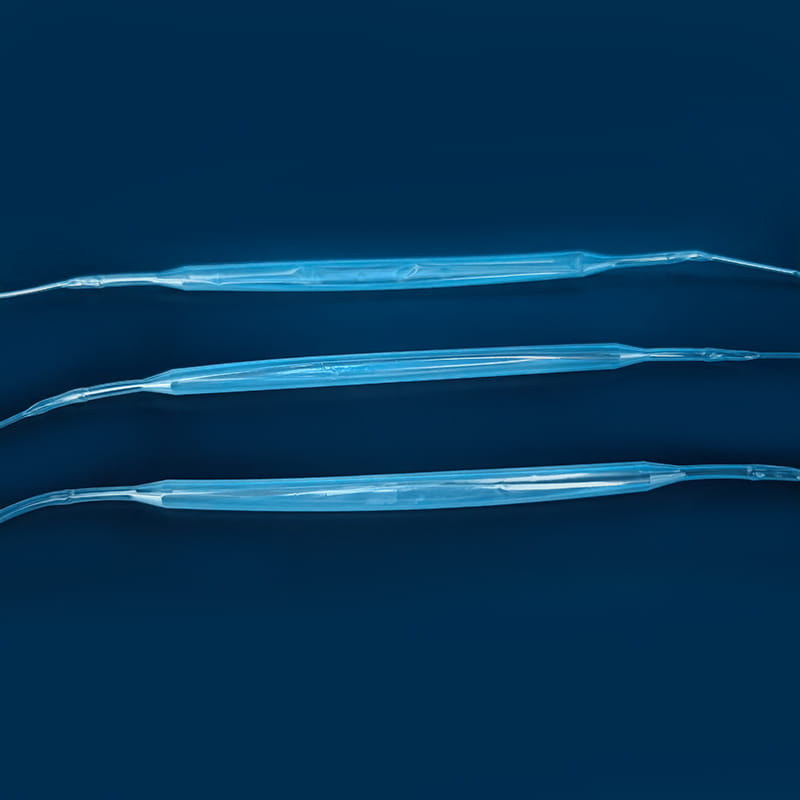
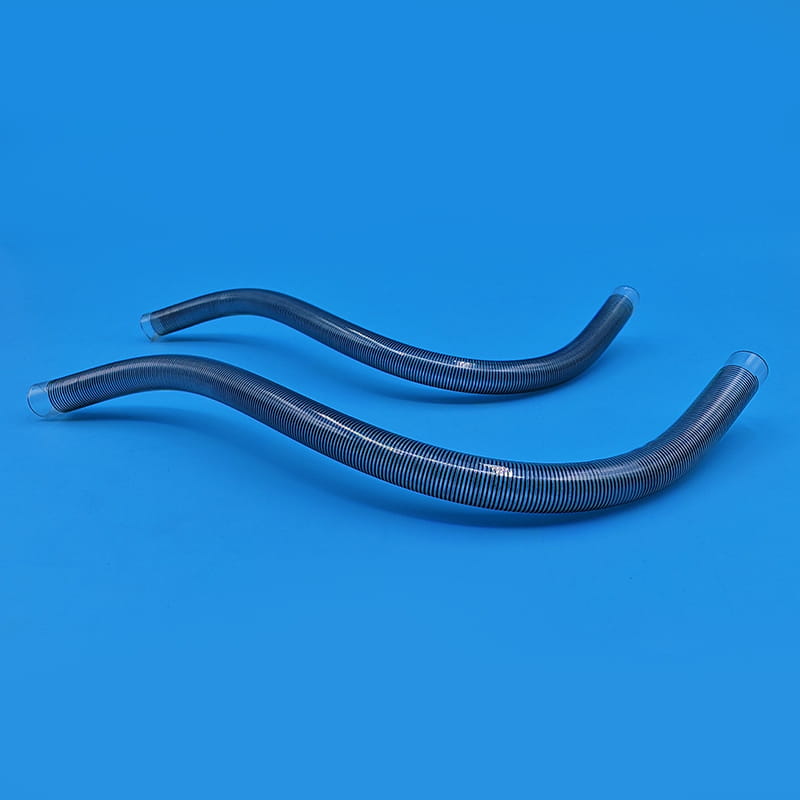
De Central Vene Catheter Kit Innehåller en mängd olika nyckelkomponenter, som var och en spelar en unik och ersättningsbar roll i hela medicinsk driftsprocess. Den första är den centrala venekatetern, som är kärnkomponenten i satsen och är kanalen som förbinder den centrala venen utanför kroppen och inuti kroppen. Dess material är vanligtvis tillverkat av polyuretan eller silikon med medicinsk klass. Sådana material har god biokompatibilitet och kan effektivt minska kroppens avslag på främmande kroppar och minska risken för komplikationer som infektion. Olika typer av centrala venekatetrar har sina egna egenskaper i struktur och funktion. Enstaka lumen-katetrar är lämpliga för enstaka behandlingsbehov, medan dubbel-lumen eller multilumen-katetrar kan utföra en mängd olika medicinska operationer samtidigt, såsom infusion, blodinsamling och läkemedelsadministration, vilket förbättrar effektiviteten och bekvämligheten med medicinska operationer. När det gäller design behandlas vissa kateterytor med speciella beläggningar för att ytterligare förbättra anti-thrombotiska egenskaper; Vissa är också märkta med skalor för att underlätta medicinsk personal för att exakt förstå insättningsdjupet.
De cannula plays a pioneering role in the central venous catheter kit. When performing a central venous catheter insertion operation, the cannula is first used for percutaneous puncture into the vein. Its needle tip adopts a bevel cutting process. This design is sharp and precise, and can quickly and accurately penetrate the skin and vein wall with minimal resistance, opening a channel for the entry of subsequent components. The needle core and outer sleeve of the cannula needle are closely matched. When the cannula needle successfully enters the vein, the inner needle core is removed through a special separation mechanism, and the outer sleeve with a certain hardness and flexibility will remain in the vein as a guide channel for subsequent guide wires and other components to enter. To ensure the accuracy of puncture, some cannula needles are also equipped with ultrasound guidance adapters, which can be used with ultrasound equipment to observe the puncture path and blood vessel status in real time.
De guidewire is a key tool for precise positioning and guidance in the central venous catheter kit. After the cannula needle establishes the initial channel, the guidewire will be sent into the vein through the cannula. The outer layer of the guidewire is usually woven from medical-grade stainless steel wire, and the inner layer is a nickel-titanium alloy core. This structure gives the guidewire good flexibility and maneuverability. Doctors can use the J-shaped or straight head design of the guidewire tip to flexibly turn and guide it in the blood vessel through in vitro operation, and accurately send it to the target position. Some high-end guidewires also have a hydrophilic coating, which becomes lubricated after contact with blood, further reducing friction damage to the inner wall of the blood vessel. The existence of the guidewire makes the insertion path of the central venous catheter clearer and more controllable, laying a solid foundation for the smooth insertion of the subsequent catheter.
De role of the dilator in the central venous catheter kit should not be ignored. Since the diameter of the vein is relatively thin, and the central venous catheter needs to be smoothly inserted, it is necessary to properly dilate the vein. The dilator usually adopts a conical or cylindrical design, and the material is mostly medical-grade polyethylene. It can enter the vein along the guidewire and expand the channel of the venous puncture site by gradually expanding. During the expansion process, the smooth surface treatment and gradual caliber design of the dilator can reduce damage to the venous tissue while ensuring effective expansion. For special patients, such as those with thin blood vessel walls or sclerosis, there are also special controllable dilators available, and doctors can accurately adjust the expansion strength and range according to actual conditions.
De peelable sheath is an important part of the central venous catheter kit to ensure the safe insertion of the catheter. After the dilator completes the dilation of the vein, the peelable sheath will be sent into the vein along the guidewire and dilator. The peelable sheath consists of two symmetrical half sheaths connected by a special locking structure in the middle. When the peelable sheath reaches the appropriate position, the central venous catheter will be inserted into the vein through the sheath. At this time, the medical staff will separate the peelable sheath from the middle lock and remove it from the body through a specific operation technique, while the central venous catheter will be left in the vein. This unique design not only ensures the smooth catheter insertion process, but also avoids unnecessary damage to the vein and catheter. To prevent accidental scratches on the surrounding tissue when the sheath is peeled off, the edge of the sheath is specially rounded and blunted.
De fixing device plays a role in stabilizing and fixing the catheter in the central venous catheter kit. In order to ensure that the central venous catheter can maintain a stable position in the patient's body for a long time without displacement or falling off, fixing devices such as sutures, sterile dressings or special catheter fixers will be used to fix the catheter to the patient's skin. The suture fixation method is suitable for patients with long-term catheterization. The catheter is fixed to the skin tissue through delicate suturing operations; the sterile dressing is breathable, waterproof and antibacterial, and can effectively protect the puncture site; the dedicated catheter fixator is made of medical-grade silicone or polymer materials, and can be personalized according to the patient's skin morphology and catheter model through an adjustable buckle design. Appropriate fixation can not only ensure the normal function of the catheter, but also reduce the discomfort and potential risks caused to the patient by the movement of the catheter.
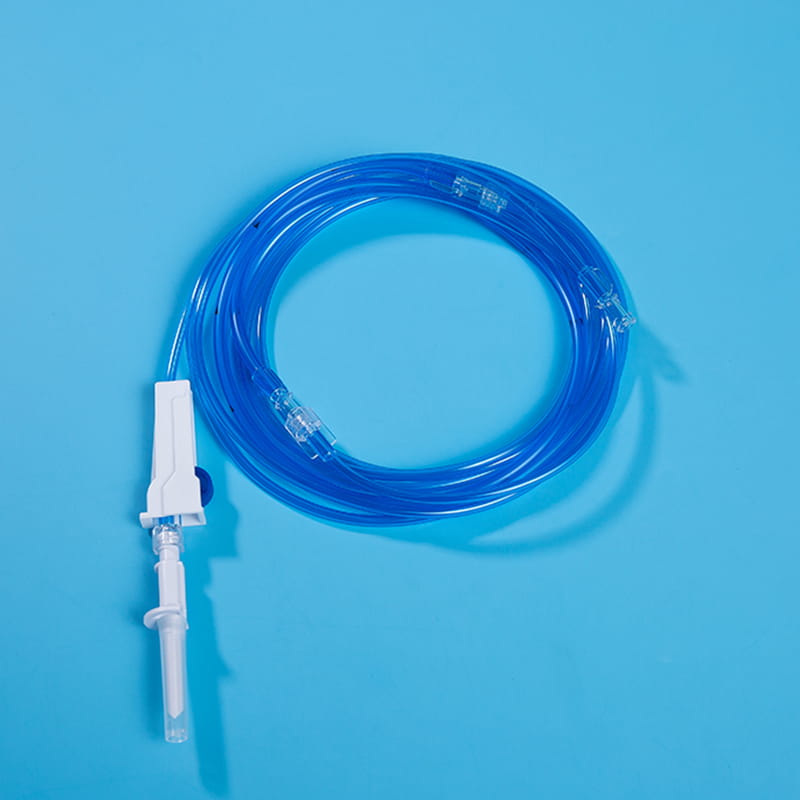
De interface for external connection is the bridge between the central venous catheter and external medical equipment. Through these interfaces, the central venous catheter can be connected to infusion sets, syringes and other equipment to achieve various medical operations such as infusion, drug administration, and blood collection. The design of these interfaces has good sealing and compatibility, and common ones include Luer connectors and needleless infusion connectors. The Luer connector is connected by threads to ensure a tight connection without leakage; the needleless infusion connector adopts a diaphragm design, which can complete the infusion operation without acupuncture, reducing the risk of infection. At the same time, some interfaces also have anti-backflow function to prevent blood from reflux and blocking the catheter, and support multiple devices to be connected at the same time to meet complex clinical needs.
Brett utbud av kliniska applikationsscenarier
I faktiska medicinska tillämpningar är användningsscenarierna för centrala venekatetersatser mycket breda. Inom intensivvårdsområdet, för patienter med kritiska tillstånd som behöver en stor mängd infusion och ofta medicinering, kan centrala venekatetrar ge en snabb och stabil infusionskanal för att tillgodose patienternas behov för vätskor och läkemedel. Genom att ta patienter med septisk chock som ett exempel, under räddningsprocessen måste en stor mängd kristalloidvätska, kolloidvätska och vasoaktiva läkemedel kompletteras på kort tid. Den centrala venekatetern kan säkerställa att dessa vätskor och läkemedel snabbt kommer in i blodcirkulationen och snabbt korrigerar chocktillståndet. Samtidigt kan hemodynamisk övervakning också utföras genom den centrala venekatetern. Läkaren ansluter trycksensorn till katetergränssnittet för att erhålla parametrar såsom centralt venetryck och lungartär kiltryck i realtid, vilket hjälper läkarna att förstå patientens hjärtfunktion och blodcirkulationsstatus i realtid och ger en viktig grund för att formulera exakta behandlingsplaner.
Vid tumörbehandling är många kemoterapi läkemedel mycket irriterande för blodkärl, och administrering genom perifera vener kan orsaka komplikationer såsom flebitis. Det centrala venekateter -kitet kan placera en kateter i den centrala venen, vilket gör att kemoterapi läkemedel direkt kan komma in i de stora blodkärlen och snabbt utspädas, vilket minskar irritationen till blodkärlen, minskar sannolikheten för komplikationer och förbättrar patienternas behandlingstolerans och efterlevnad. Till exempel kan bröstcancerpatienter som får mycket irriterande kemoterapiläkemedel såsom doxorubicin använda centrala venekatetrar för att effektivt undvika allvarliga konsekvenser såsom hudnekros och vävnadsår orsakad av läkemedelsextravasation. Samtidigt, för patienter som behöver långvarig och multipel kemoterapi, minskar centrala venekatetrar smärtan från upprepade punkteringar och förbättrar kontinuiteten i behandlingen.
Dessutom, i näringsstödterapi, kan centrala venekatetrar användas för totalt parenteralt näringsstöd för patienter som inte kan ta in tillräckligt med näring genom mag-tarmkanalen, såsom patienter med långvarig koma och allvarliga brännskador. Att ge högkoncentration, högkalorie näringslösning genom den centrala venen kan tillgodose patientens kropps behov av näringsämnen och främja patientens återhämtning. Med patienter med omfattande brännskador som ett exempel undertrycks deras gastrointestinala funktion på grund av trauma, och de kan inte smälta och absorbera mat normalt. För närvarande ges den allt-i-ett näringslösningen som innehåller aminosyror, fettemulsion, glukos och andra ingredienser genom den centrala venekatetern för att upprätthålla patientens kvävebalans, fylla på den energi som krävs av kroppen och påskynda sårläkning. Samtidigt kan medicinsk personal också övervaka patientens elektrolyter, blodsocker och andra indikatorer genom den centrala venekatetern och justera näringsstödsplanen i tid.
Strikta och standardiserade driftsförfaranden
De operating procedures of the central venous catheter kit need to strictly follow the specifications and standards. Before the operation, the doctor needs to conduct a comprehensive assessment of the patient's condition, including the patient's age, weight, underlying diseases, coagulation function, etc., and select the appropriate puncture site and central venous catheter type. Common puncture sites include the internal jugular vein, subclavian vein and femoral vein. Different sites have their own advantages and disadvantages, and they need to be carefully selected according to the specific situation of the patient. At the same time, detailed explanations and communication should be given to the patient, and the patient should be informed of the operation process, possible risks and key points of cooperation to obtain the patient's cooperation. During the operation, the principle of aseptic operation must be strictly followed. The puncture site must be disinfected with iodine more than three times, and the diameter of the disinfection range must not be less than 15 cm. A large sterile sheet must be laid to ensure that the entire operation is carried out in a sterile environment. Then follow the steps of trocar puncture, guide wire insertion, dilation with a dilator, insertion of a removable sheath, insertion of a central venous catheter, fixation of the catheter, and connection of an external interface. Taking internal jugular vein puncture as an example, under ultrasound guidance, after determining the puncture point, the trocar is inserted at an angle of 30-45 degrees. After seeing the blood return, it is confirmed that it is in the vein, and then the subsequent components are inserted according to the process. After the operation is completed, the patient needs to be closely observed and cared for, and the patient must be monitored for complications and treated in a timely manner. This includes observing whether the puncture site is red, swollen, or exuded, and changing the dressing regularly; monitoring the patient's body temperature, blood routine, and other indicators to determine whether an infection has occurred; evaluating the function of the catheter to ensure smooth infusion, blood collection, and other operations.
Utmaningar och risker står inför
Även om centrala venekateter -satser spelar en viktig roll inom det medicinska området, står de också inför vissa utmaningar och risker under användning. Infektion är en av de vanligaste komplikationerna av centrala venekatetrar. Eftersom katetern är kvar i kroppen under lång tid är det lätt för bakterier och andra mikroorganismer att invadera, vilket orsakar lokal infektion eller systemisk infektion. Bakterier kommer huvudsakligen in i kroppen genom hudkolonisering vid punkteringsstället, förorening av kateterkontakten och förorening av infusionssystemet. Trombos är också ett problem som inte kan ignoreras. Katetern kan stimulera det vaskulära endotelet i blodkärlet, vilket orsakar förändringar i blodkoagulering och därmed bildar en trombus. När tromben faller av kan det orsaka allvarliga komplikationer som lungemboli. Dessutom kan problem såsom kateterblockering och förskjutning också påverka den normala användningen och behandlingseffekten av den centrala venekatetern. Kateterblockering kan orsakas av läkemedelsavlagring, blodkoagulation osv.; Kateterförskjutning kan vara relaterad till faktorer som felaktig patientaktivitet och lös fixering.
For more information, please call us at +86-18913710126 or email us at .
Polyimidslangar har blivit oumbärliga i modern teknik för medicintekniska produkter. Från ...
Förstå FEP Guidewire Protective Sheath Tubing Minimalt invasiva medicinska proced...
A medicinsk peristaltisk pumpslang är en specialiserad vätskeöverföringskomponent d...
Utvecklingen av katetervisualiseringsteknik Minimalt invasiva procedurer har i grunden f...
Förstå medicinska katetrar i modern sjukvård Medicinsk utrustning har revolutionerat pat...
En rak kateter når större delen av luftvägarna, men den sista centimetern in i en trakeostom...